Las Vegas Shows: How to Choose the Right One (and Not Overpay)

Travel Analysts

Most show regrets in Las Vegas come from a mismatch between the show and the group, not from a bad show. Don't chase what's trending — cross three things: what kind of show you actually enjoy (Cirque-style acrobatics, a music residency, magic, comedy, adult variety, or a visual spectacle like Sphere), who you're traveling with, and what a seat and night is worth to you. Pick one or two shows you genuinely want, aim for the best mid-tier seats you can afford, and buy from reputable sellers.
Explore the full guide & expert tips ➜First, Figure Out Which Type of Show Fits You
The fastest way to choose well is to stop thinking about individual show titles and start with categories. Las Vegas shows fall into a handful of types, and knowing which one excites you narrows a hundred options down to a few.
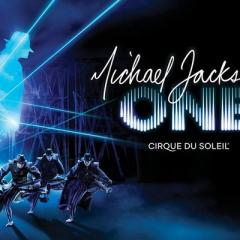
Cirque-style spectacle is acrobatics, staging, and visual wonder with little or no spoken plot — the long-running anchors are O at Bellagio (a water stage), KÀ at MGM Grand (cinematic and story-driven), Mystère at Treasure Island (the original, high-energy, all-ages), and Michael Jackson ONE at Mandalay Bay (built around the music). Music residencies are for fans of a specific artist, and the lineup rotates constantly. Magic and mentalism range from family-friendly to edgy. Comedy spans stand-up to improv. Adult variety shows are raunchy, late-night, and built for groups. And visual-spectacle venues like the Sphere offer immersive film and audio experiences unlike a traditional theater.
Pick the one or two categories that genuinely thrill you and ignore the rest. A Cirque devotee and a comedy-club crowd want completely different nights, and chasing "the show everyone's talking about" is how people end up in the wrong room.
Show Types and Who They Fit
| Show Type | What It Is | Best For | Watch For |
|---|---|---|---|
| Cirque-style spectacle | Acrobatics + staging + visuals, little spoken plot (O, KÀ, Mystère, Michael Jackson ONE) | Couples, families (all-ages titles), first-timers | Confirm which title is family-friendly |
| Music residency | A specific artist in a multi-date run; lineup rotates | Superfans of that performer | Worth it for the artist, not the format |
| Magic / mentalism | Illusion and mind-reading, family to edgy | Mixed groups; closeness matters here | Front seats add a lot for this type |
| Comedy | Stand-up to improv | Friend groups, date nights | Check the comedian's style and rating |
| Adult variety | Raunchy, late-night, high-energy | Friend groups, parties | 18+ — never for families |
| Visual spectacle (Sphere) | Immersive film and audio in a non-traditional venue | Anyone wanting something unlike a theater | It's an experience, not a stage show |
The trade-off: Committing to a category means skipping the others this trip. You get a night that matches your taste instead of an expensive ticket to a genre you don't actually enjoy.
Which Show Fits Who You're Traveling With
The single biggest predictor of a happy show night is whether the show matches your group. The same ticket that delights one group disappoints another.
Couples tend to do well with a Cirque spectacle or an atmospheric visual experience — something immersive you'll both remember. Families with kids should steer toward all-ages shows (Mystère is a reliable family pick) and check the minimum age and content before booking; plenty of Vegas shows are explicitly adult. Friend groups often want the louder, funnier end — adult variety, comedy, or a high-energy production with a bar nearby. And superfans of a specific artist are the one case where paying up for a residency clearly makes sense, because the draw is the performer, not the format.
Get this match right and the price almost stops mattering. Get it wrong — a raunchy late show with kids in tow, or a contemplative spectacle with a group that wanted to party — and no seat is good enough to save it.
The trade-off: Choosing for your group sometimes means passing on a show you personally wanted to see. You get a night everyone actually enjoys, which is the entire point of a shared experience.
Seats and Price: Where Paying Extra Is Worth It
Within any theater, ticket prices tier by location, and the instinct to either cheap out or splurge both tend to be wrong. The cheapest seats can mean partial views or a distance that flattens the experience; the most expensive can cost double for an upgrade that adds surprisingly little once you're already in a good spot.
The rule that serves most people: aim for the best mid-tier seats you can comfortably afford. For highly theatrical or intimate shows — magic, a performer you adore, anything where closeness matters — paying for the front sections genuinely changes the night. For big spectacle shows where the whole stage is the point, a well-placed middle section often sees the production better than the front row, for considerably less. Read the seat map, find the sweet spot, and don't assume pricier automatically means better.
The trade-off: Buying mid-tier instead of premium means you're not in the very best seats. You get most of the experience for a fraction of the top price — and the saved money covers a second show, a nice dinner, or a tour.
Timing and Energy: When to See a Show Around Your Day
A great show on the wrong night still disappoints, because Vegas runs your energy down faster than you expect. The most common version of this mistake is booking a marquee show for the same evening as an exhausting day trip — you've spent a fortune on seats you doze through.
Plan your key shows on nights you've kept free of heavy tours. Don't stack a 14-hour Grand Canyon day and a late-night show back to back. Mind the showtime, too: early shows fit families and anyone fighting jet lag on the first night, while late shows suit a night that's building toward something. And leave a real buffer between dinner at one resort and a show at another — those walks are longer than they look. (Show tickets also carry a live entertainment tax baked into the price, so the number you see already includes it.)
The trade-off: Protecting a show night means not also cramming a big tour into that day. You get to be awake and present for the experience you paid premium money to see — instead of fighting to keep your eyes open.
Where to Buy Without Overpaying or Getting Burned
Where you buy matters as much as what you buy. You generally have three routes: the official show or venue site, reputable booking platforms and partners (the kind that aggregate Vegas tours and shows), and same-day discount booths for spontaneous picks. Each is legitimate; the danger is the murky reseller with unclear pricing and worse cancellation terms.
Before you pay, check three things: the total price including fees, the seat location on the map, and the change or cancellation policy. For in-demand shows and peak dates, book ahead — the best seats and showtimes go first. For flexibility, a reputable platform with clear terms protects you if plans shift. Avoid any seller whose pricing or policies you can't clearly see; a slightly lower headline price isn't worth a non-refundable surprise.
The trade-off: Booking early through a reputable seller locks you in and sometimes costs a little more than a last-minute gamble. You get the seats and showtime you actually want, with cancellation terms you can read — instead of whatever's left or a reseller you can't trust.
Fitting Shows Into Your Budget Without Wrecking the Trip
Shows are one of the larger discretionary line items of a Vegas trip, so decide their role before you start booking. The reliable approach is to set, in advance, how many big shows you'll see — usually one or two — and a maximum you're willing to spend per ticket. Then build the rest of your spending around that, rather than buying on impulse and discovering later you've spent your tour money on three shows.
The principle most travelers land on after the fact: one great show you chose carefully beats several mediocre ones you grabbed because tickets were available. If the budget is tight, a single marquee spectacle plus one smaller, cheaper show (a comedy set, a magician) often delivers more variety and joy than two pricey tickets to shows that don't quite fit.
The trade-off: Capping yourself at one or two shows means leaving others unseen. You get to spend confidently on the ones that matter, protect the rest of your budget, and avoid the post-trip math that reveals shows quietly ate the tour fund.
Common questions
❓ Which Cirque du Soleil show should I see in Las Vegas?
Match the show to what you want from the night. O at Bellagio is the famous water spectacle — dreamlike and visual. KÀ at MGM Grand is the most cinematic and story-driven. Mystère at Treasure Island is the original, high-energy, and the most family-friendly (all ages). Michael Jackson ONE at Mandalay Bay is built around the music. All run about 90 minutes with no intermission. First-timers who want the quintessential Cirque spectacle usually land on O or Mystère.
❓ What's the best Las Vegas show for families with kids?
Look for all-ages shows and always check the minimum age and content before booking — many Vegas shows are explicitly adult. Among Cirque productions, Mystère at Treasure Island is a reliable family choice (all ages, high energy, no spoken plot to follow). Avoid late-night adult variety and comedy shows with young kids. Also weigh showtime: a late start lands a jet-lagged child asleep in their seat, so an earlier show usually works better for families.
❓ Where should I buy Las Vegas show tickets?
Three solid routes: the official show/venue site, reputable booking platforms and partners that aggregate Vegas shows, and same-day discount booths for spontaneous picks. Before paying, check the all-in price (including fees), the exact seat location on the map, and the cancellation policy. Book in-demand shows ahead for the best seats. Avoid resellers with unclear pricing or policies — a slightly lower price isn't worth a non-refundable surprise.
About the Author
Intercoper Curator Team
Travel Analysts
Our team researches and curates tour experiences. We combine local knowledge with rigorous verification to recommend only tours worth your time.